Unknown Patch Material
A dark or raised patch does not identify its material. We note where repairs were made, ask for available records, and check whether the surface can accept the proposed primer and coating.
Commercial Roofing · Arizona
We coat commercial roofs in Maryvale after checking patch layers, surface condition, and compatibility for later repairs.
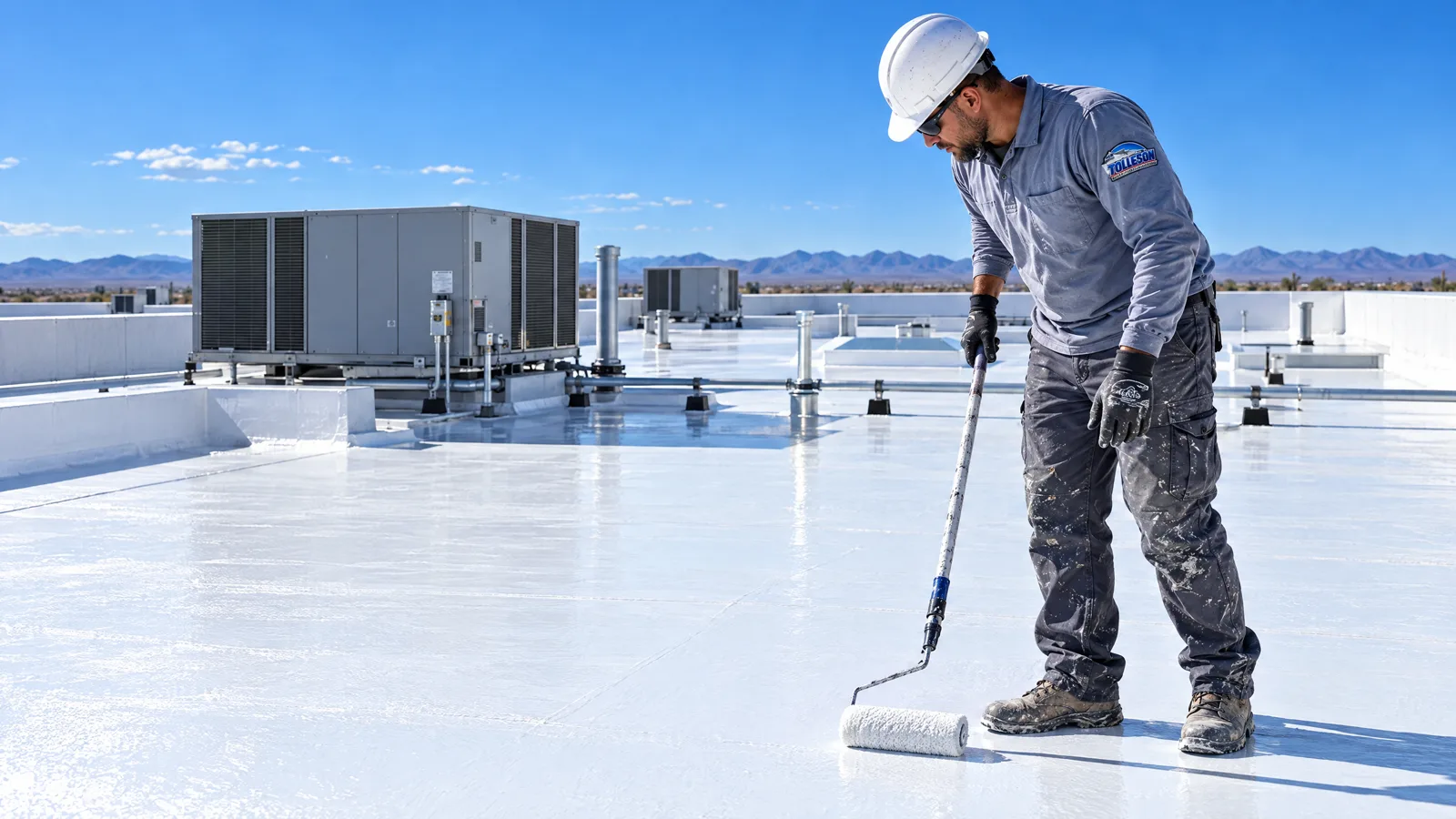
A commercial roof can look uniform from the ground while several repair materials sit underneath. In Maryvale, a Phoenix urban village, tie the roof record and any municipal question to the actual Phoenix property jurisdiction.
Older sealants, fabric repairs, mastics, and previous coatings may not accept the same primer or repair material. We map visible patches, loose edges, seams, penetrations, and areas with recurring leaks before choosing a coating system. That record helps the current work and gives future technicians a known surface to repair.
A new coating should not hide an unknown failure. If a patch is lifting, the substrate is wet, or a repair material conflicts with the selected system, that area needs a different step first. The rest of the roof may still be a candidate for coating when its condition supports restoration.
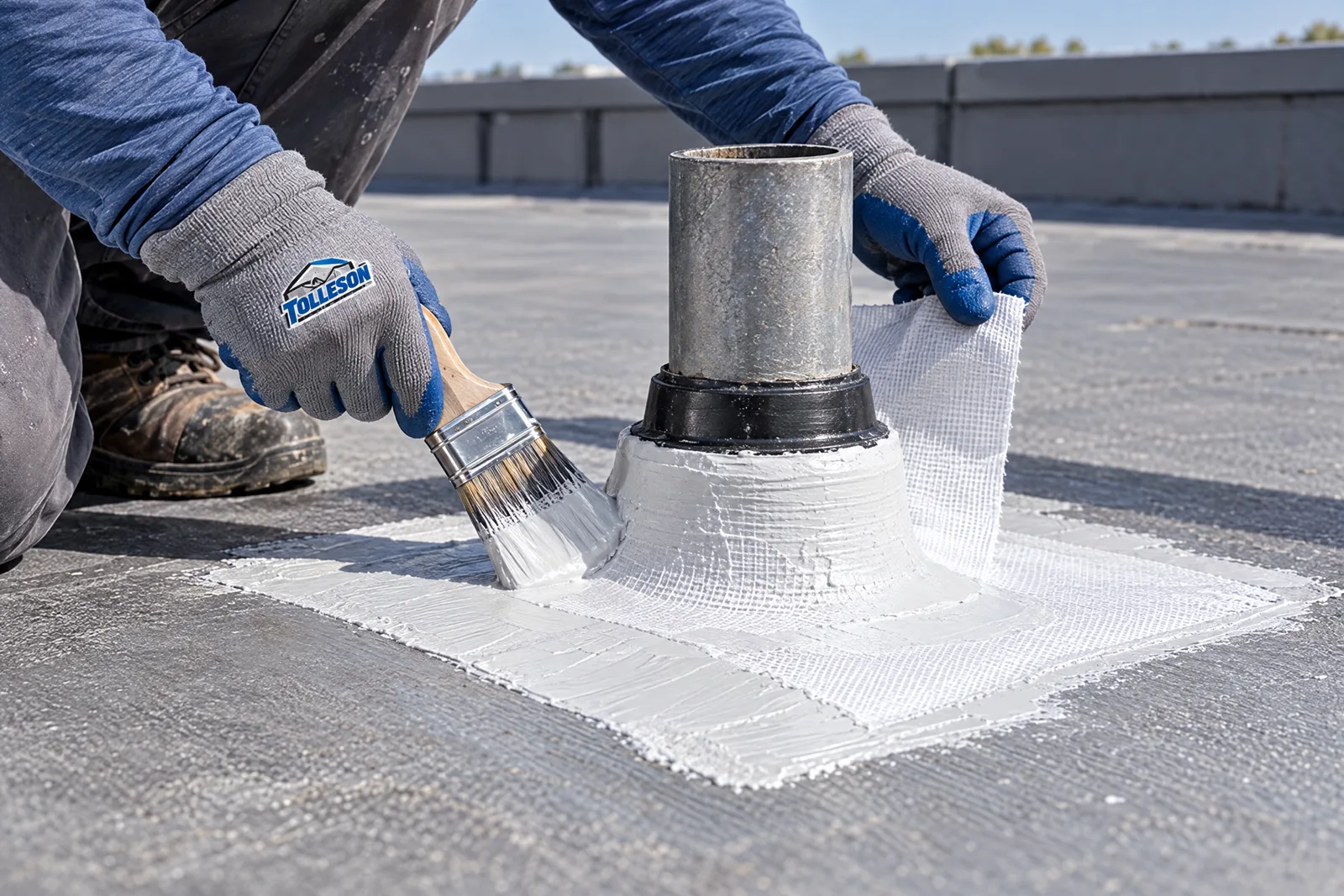
Patch history matters most where a repair edge, substrate problem, or later service route could interrupt coating adhesion.
A dark or raised patch does not identify its material. We note where repairs were made, ask for available records, and check whether the surface can accept the proposed primer and coating.
A loose edge can let water travel beneath a new finish. We remove or repair unstable material as required, then check the surrounding roof instead of burying a moving patch under coating.
A sealant that worked on another roof may not bond here. Penetrations, wall flashings, drains, and fasteners need repair materials approved for the existing coating and the system selected.
A dry-looking patch can cover wet insulation or another damaged layer. Where moisture is suspected, further testing and removal or repair may be needed before a coating can be considered.
Patches often cluster at seams, curbs, drains, and wall transitions. Those details need their own preparation so the coating across the main roof does not substitute for a sound connection.
HVAC work and leak repairs can stress a finished coating. Mark service routes, protect high-traffic areas when appropriate, and keep a record of approved repair materials for the next visit.
When the roof is sound enough to restore, coating can preserve usable roofing while making later repair decisions easier to track.
A suitable coating can leave serviceable roof sections in place instead of removing the full assembly. Areas with wet materials or unresolved structural damage still need a separate repair or replacement decision.
Mapping old patches before coating gives the owner a practical record of seams, details, and materials. That record helps future technicians select compatible sealants and avoid guesswork.
A roof can be divided into coating-ready areas and repair-first areas. Staging the work this way keeps a failing detail from defining the treatment for every roof section.
Where most of the existing roof is usable, restoration may reduce tear-off and debris handling. Preparation, patch removal, and detail repairs still create work around the building.
Maryvale roof coating options depend on the existing surface, patch materials, drainage, and the repair products that must bond later.
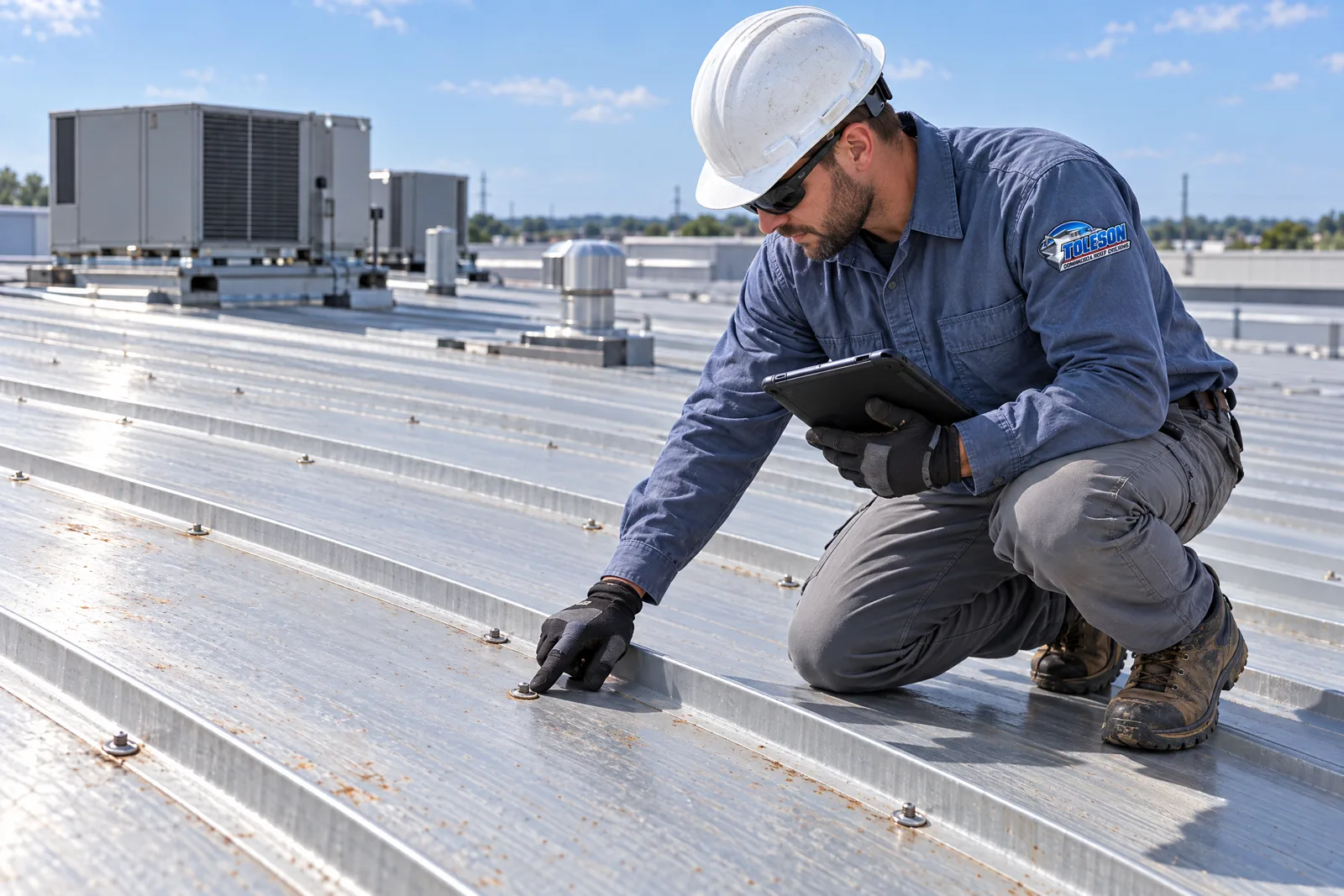
See metal roof coating when patch layers cover fasteners, seams, corrosion, or panel movement. Repairs and adhesion checks come before the coating.
Review metal roof coating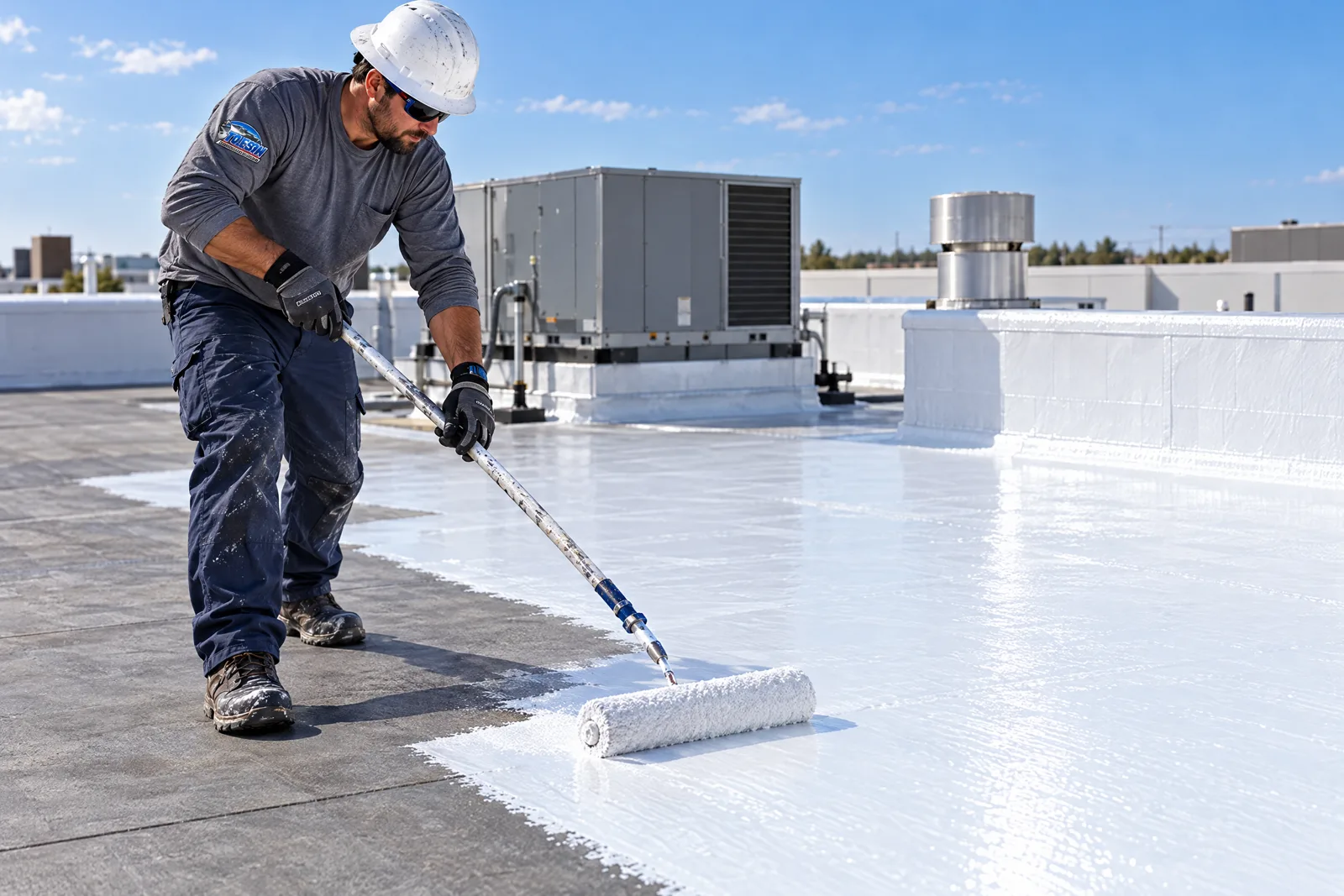
Review silicone roof coating when an existing silicone layer or low-slope membrane needs a compatible repair path. Later sealants must be approved for that surface.
Review silicone roof coating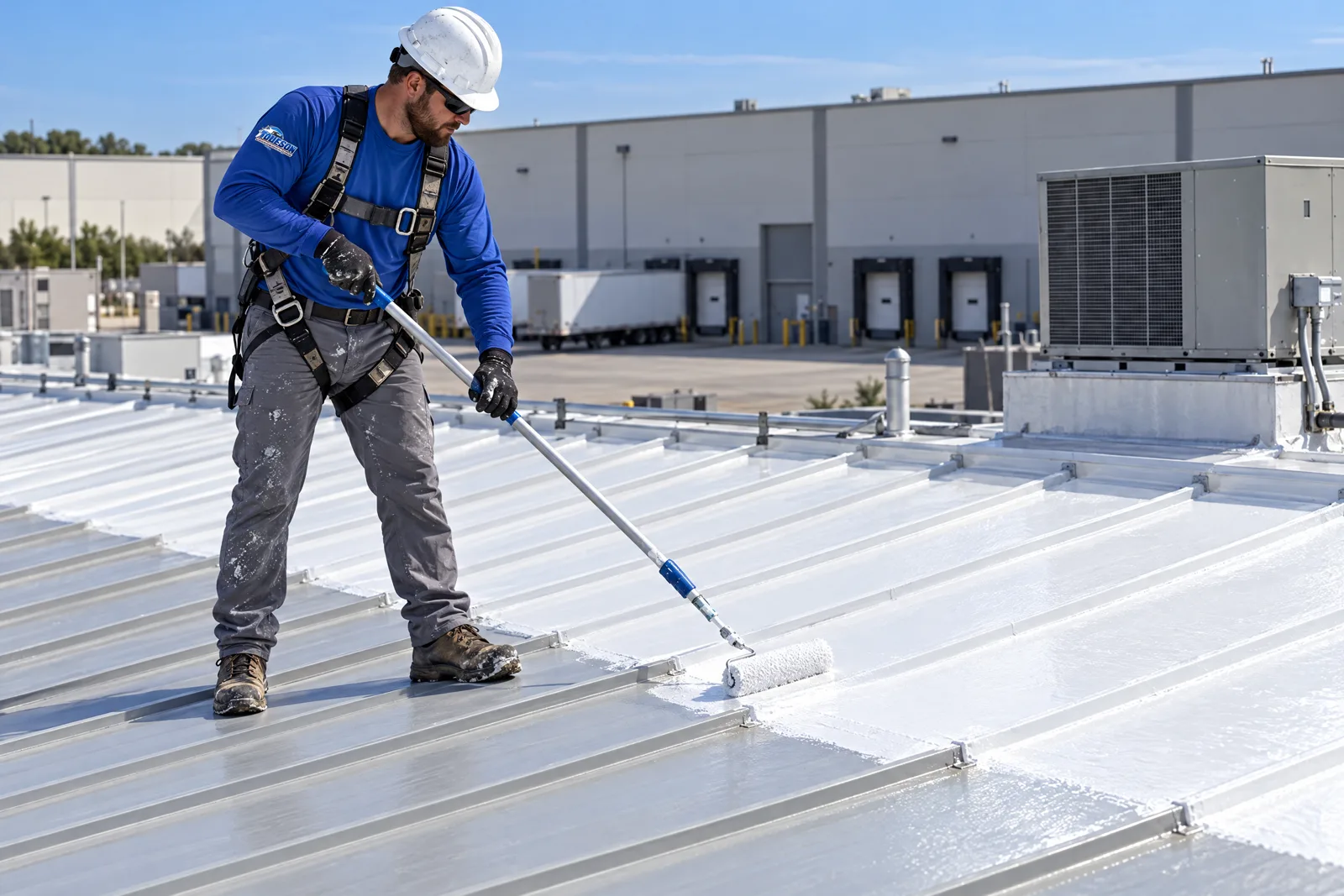
Consider acrylic roof coating only where the surface, drainage, and later repair materials are approved to work together. Patch condition still controls preparation.
Review acrylic roof coatingThe coating process starts with the roof record, then moves from testing and repairs to an application that can be maintained later.
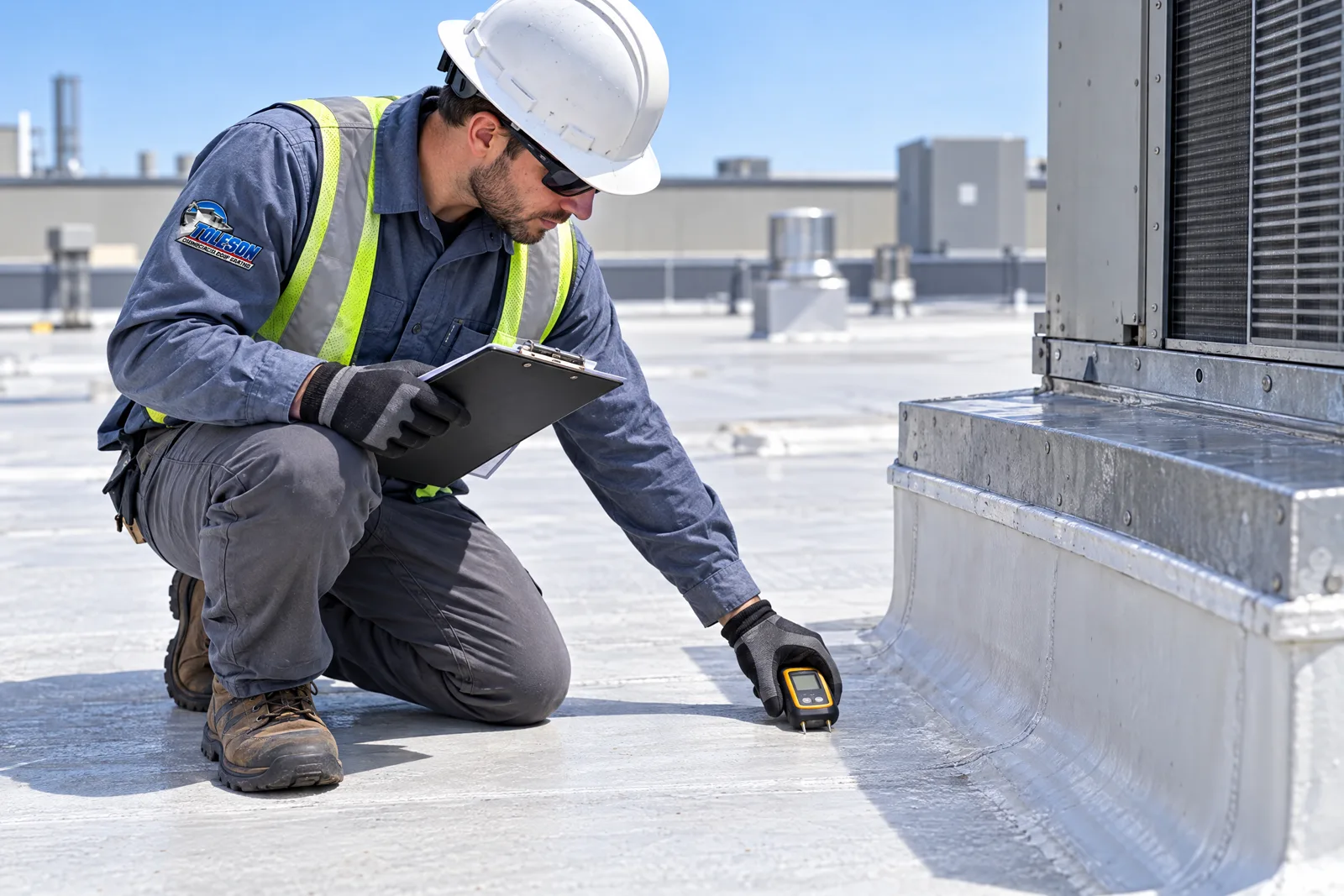
We locate patches, seams, fasteners, flashings, drains, penetrations, coating layers, and signs of movement or moisture. Interior leak information and prior repair records help connect visible roof conditions to building symptoms.
Each repair area is recorded by location and apparent material. We separate stable patches from loose, contaminated, or deteriorated areas so the proposed system is not applied across an unresolved defect.
Cleaning, primer, and coating choices depend on what is already bonded to the roof. Where adhesion or material identity is uncertain, a test area or additional evaluation can change the preparation plan.
Unstable patches, open seams, damaged details, and wet materials need the required repair before coating. The surface is cleaned without damaging the roof, and primer is used where the selected system requires it.
The compatible coating is applied according to its coverage and thickness requirements. We note the system used and areas needing protected access so later sealant or leak repairs can follow the same compatibility decision.
See the approved service areas around Tolleson, including Maryvale, or choose a nearby location for the building address.
Commercial roof coating for Avondale buildings where tenant timing and roof repairs must be coordinated.
View Avondale roof coatingCommercial roof coating for Goodyear facilities with shift changes, rooftop trades, and active operations.
View Goodyear roof coatingCommercial roof coating for Litchfield Park properties that need maintenance access included in the work sequence.
View Litchfield Park roof coatingCommercial roof coating for Laveen buildings where cleaning and protection of older roofing come first.
View Laveen roof coatingAnswers for Maryvale property owners managing older patches, later repairs, and coating compatibility.
Not without checking compatibility. A different coating may not bond to the old one, even after cleaning. Existing silicone needs particular care when selecting repair or recoating materials.
We identify the patch and coating layers already on the Maryvale roof, then check approved options before changing products.
Identify the existing coating and its approved repair materials first. A sealant that works elsewhere may not bond properly to this roof. Silicone-coated surfaces need compatible products and careful preparation before repairs are made.
Keep the product information with the roof repair record so a later technician does not guess at the material.
You may not be able to identify a patch by appearance alone. We review repair records, inspect its edges and surrounding surface, and use a small test or further evaluation when material identity affects adhesion and future repairs. That finding guides future repair planning decisions.
No. A coating can cover only repairs that are stable, dry enough, clean, and compatible with the selected system. Peeling patches, wet layers, open seams, and failing details need repair or removal before the surrounding roof is coated and maintained.
We do not apply the same system across the roof without resolving the failed test. The preparation, primer, or product choice needs review. Further cleaning or an approved primer may help, but the selected coating still has to bond as required.
Future repairs should use a material approved for the coating and roof assembly, not simply the product used on a different building. Record the installed system, repair locations, and approved sealants so later work can follow the same compatibility path.
Tell us where patches, leaks, and later repair concerns are located so we can inspect the commercial roof and discuss a coating system.
Before You Go
Share your name and phone number and we will call about your commercial roof.
Prefer to call directly? Call Us Privacy Policy