Chalking And Surface Film
Dust, chalk, bitumen residue, and loose film can interfere with adhesion. We identify what is on the surface before selecting a cleaning method, then allow the substrate to dry before primer or coating is considered.
Commercial Roofing · Arizona
We coat commercial roofs in Laveen after protecting older roofing through careful cleaning, repair, preparation, and system selection.
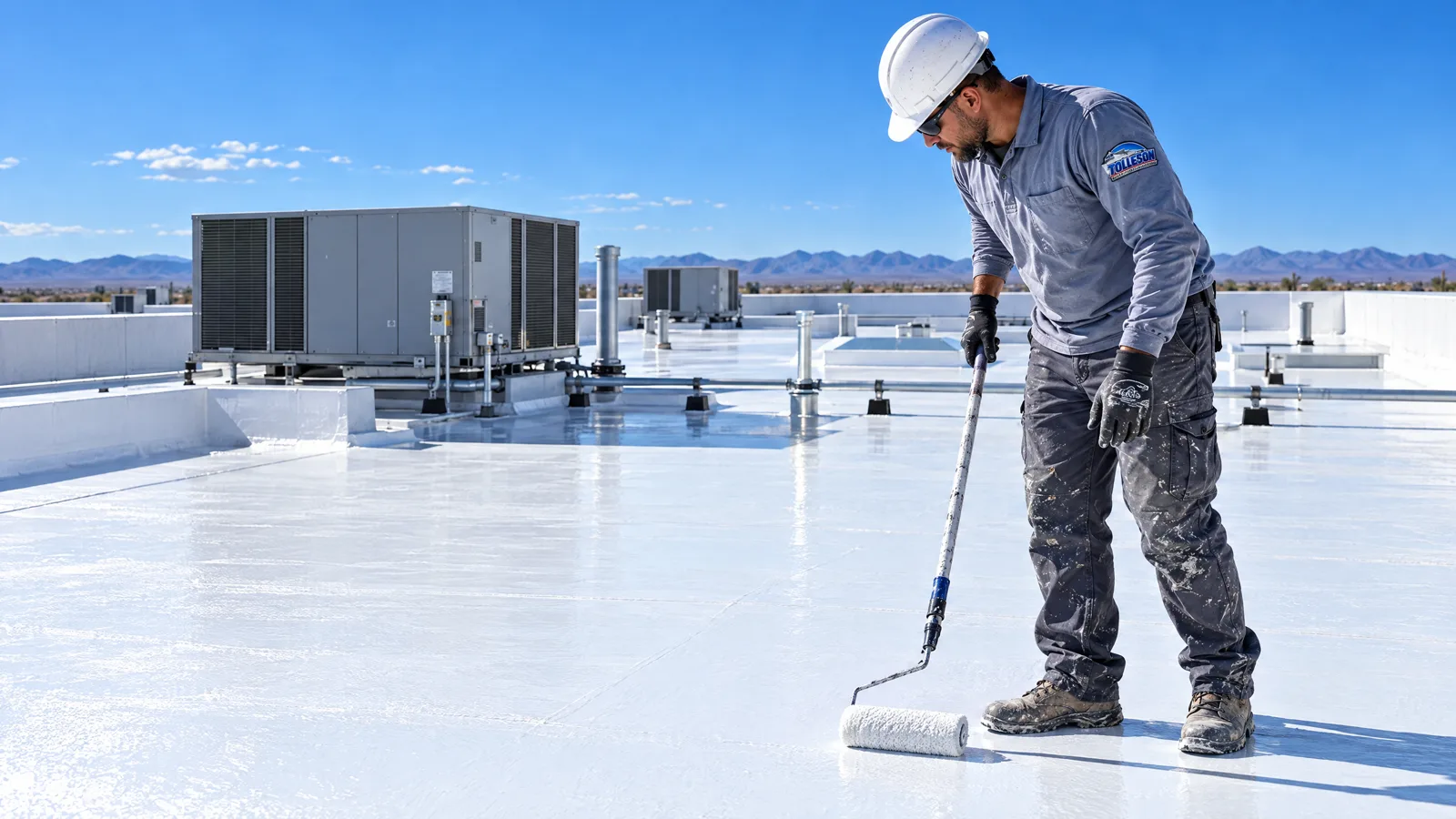
Laveen commercial roof coating starts with a cleaning sequence that removes bond-breaking residue without treating an older roof like a new surface.
Laveen Village is part of the City of Phoenix village-planning system, so commercial roof work here still needs to fit the property, its roof access, and its operating conditions. Older roofing can have chalking, brittle seams, patch layers, rust, grease, or concealed wet insulation. We inspect those risks before choosing a cleaning method.
The sequence is controlled: identify weak areas, remove loose contamination, protect details, allow the roof to dry, test adhesion, then use primer or repairs where the selected system requires them. Cleaning is not a race to make every surface look new. It is preparation that preserves sound roofing while separating coating-ready areas from areas that need repair or replacement first.
A clean-looking roof is not automatically coating-ready. These conditions determine how an older commercial roof should be cleaned, repaired, and tested.
Dust, chalk, bitumen residue, and loose film can interfere with adhesion. We identify what is on the surface before selecting a cleaning method, then allow the substrate to dry before primer or coating is considered.
Aggressive washing can open weak seams or disturb aged flashing. Seams, wall connections, curbs, and penetrations are checked first so cleaning does not create a new leak path that coating cannot correct.
Rust on panels, fasteners, edges, or flashing may need removal, repair, or a compatible rust-inhibitive primer. Severely damaged metal is not hidden under coating; it is separated for the right repair decision.
A dry top surface can conceal wet insulation or damaged layers. Where leaks or soft areas raise that concern, further testing may be needed before coating so moisture is not sealed into the assembly.
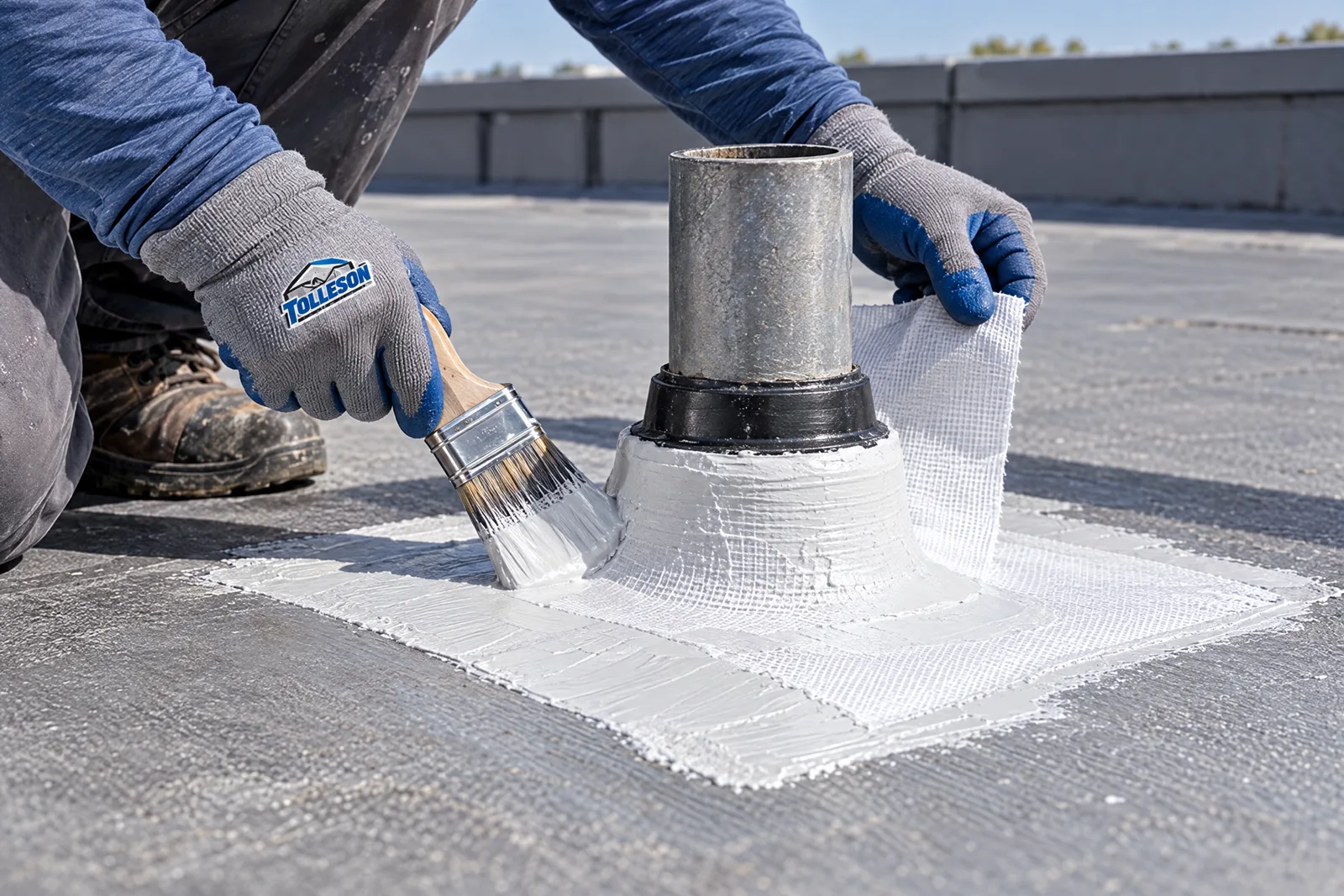
Details collect dirt and carry the highest risk when preparation is rushed. Drain edges, equipment curbs, scuppers, and penetrations receive their own inspection and specified sealant, flashing, or reinforcement.
Dry residue is still a bond problem. Grease, oil, and other contamination need proper removal, along with a check on the source, before a coating system can be tested on the affected roof area.
When the existing roof is sound enough to keep, a carefully prepared coating can protect the assembly without pretending that repairs and maintenance are optional.
A suitable restoration can preserve roof areas that remain secure and serviceable. The decision is based on condition, moisture, adhesion, and repair needs, not simply on the roof’s age or a lower starting cost.
Cleaning, seam treatment, drying, and adhesion testing create a better basis for application. They also expose problems that should be repaired instead of covered, giving the owner a clearer boundary for the work.
If most of the existing roof can remain, coating may reduce the amount of demolition, debris handling, and material removal around an active commercial property. Wet or damaged materials still need proper action.
A compatible coating system can make later maintenance and recoating decisions easier to organize. Equipment routes, drains, flashing, and coating wear still need regular checks after the work is complete.
The existing roof and the cleaning results guide the system choice. These options cover common commercial assemblies without treating one coating as universal.
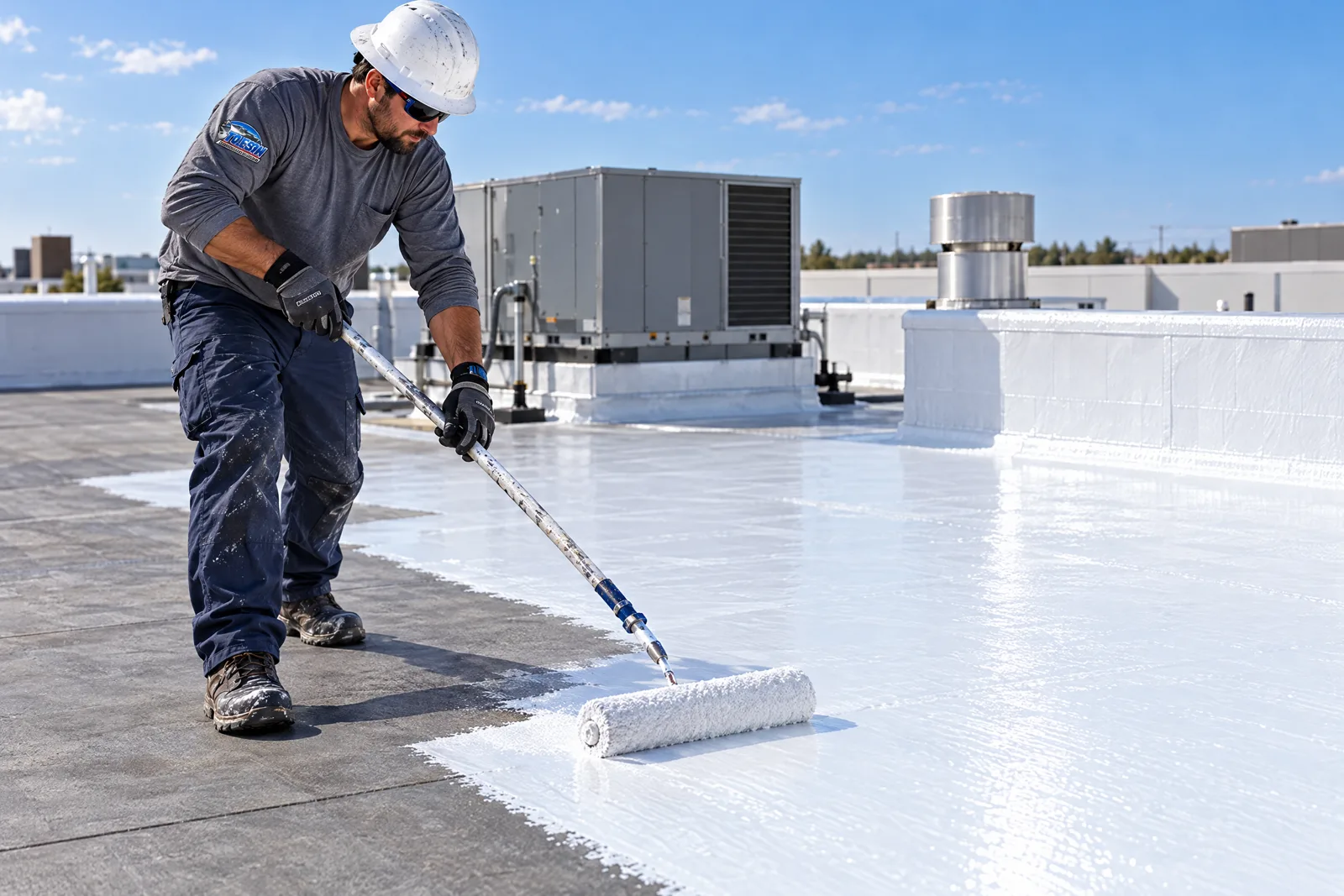
Silicone may fit a prepared low-slope roof when moisture, existing coatings, seams, and compatibility checks support it. Review the silicone service details.
Explore silicone roof coating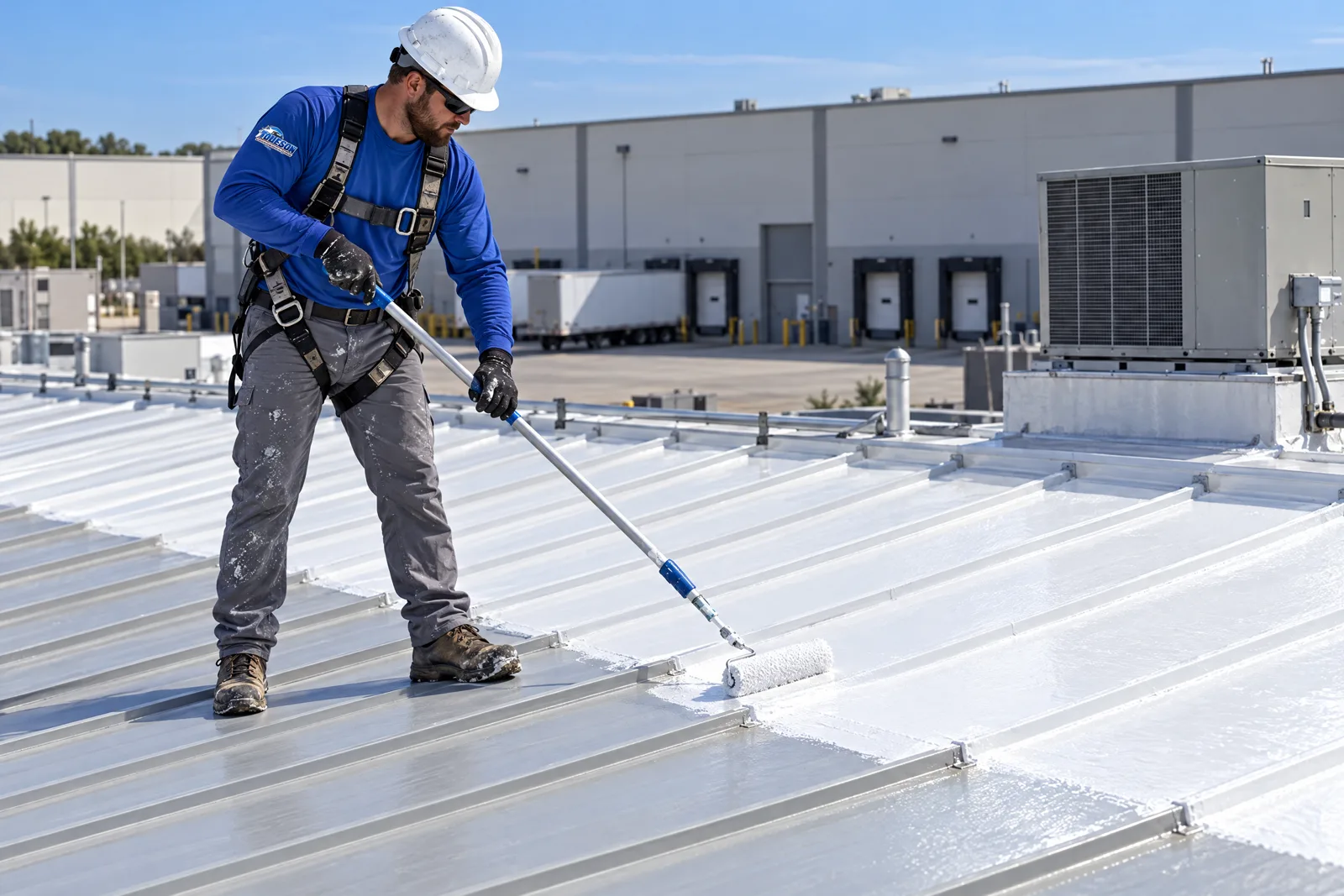
Acrylic can suit selected roofs with dependable drainage and an approved substrate. Surface cleanliness, dry conditions, and detail preparation remain essential.
Explore acrylic roof coating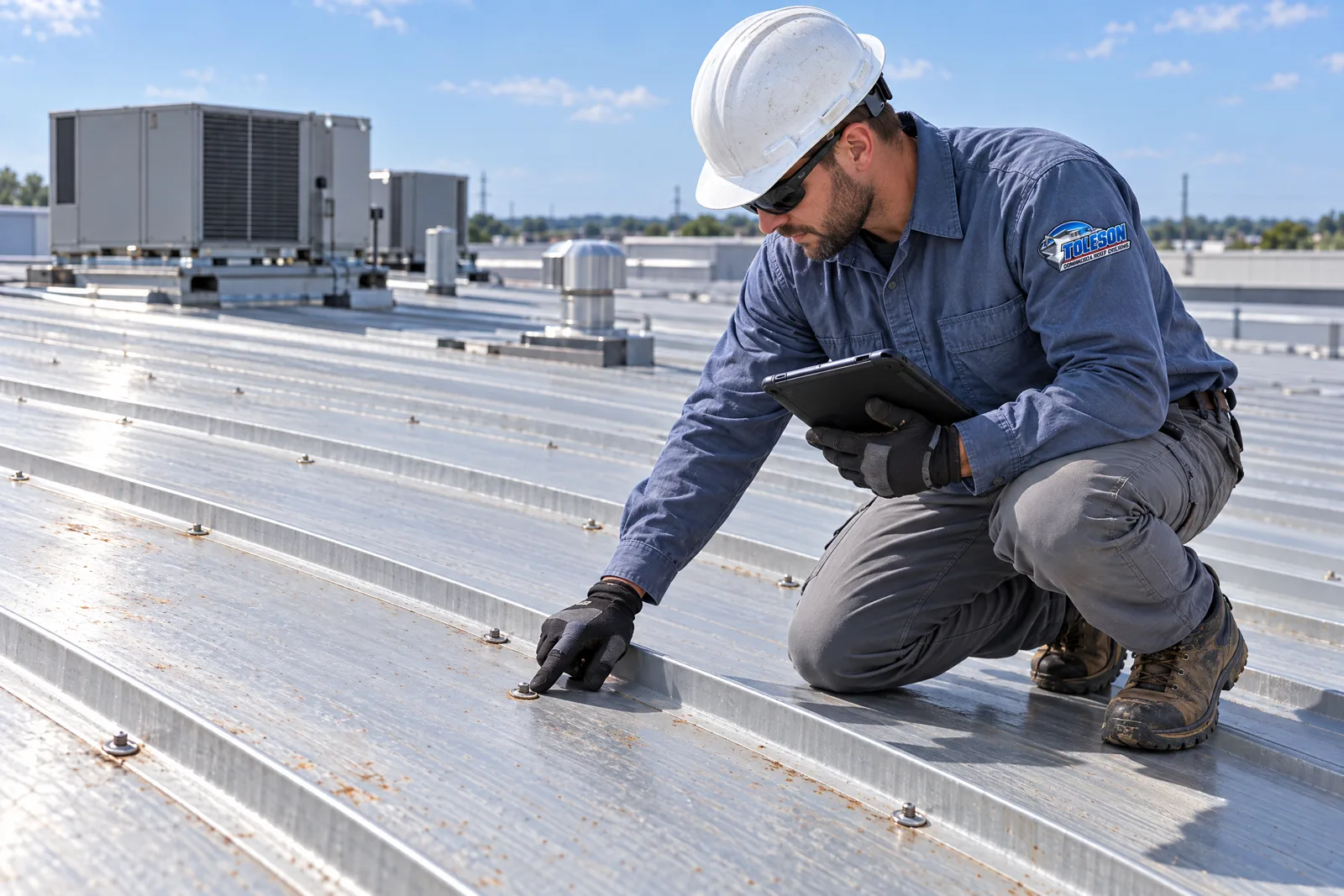
Metal restoration begins with fasteners, seams, corrosion, panel movement, and flashing. Repairs and compatible primer may come before the coating layer.
Explore metal roof coating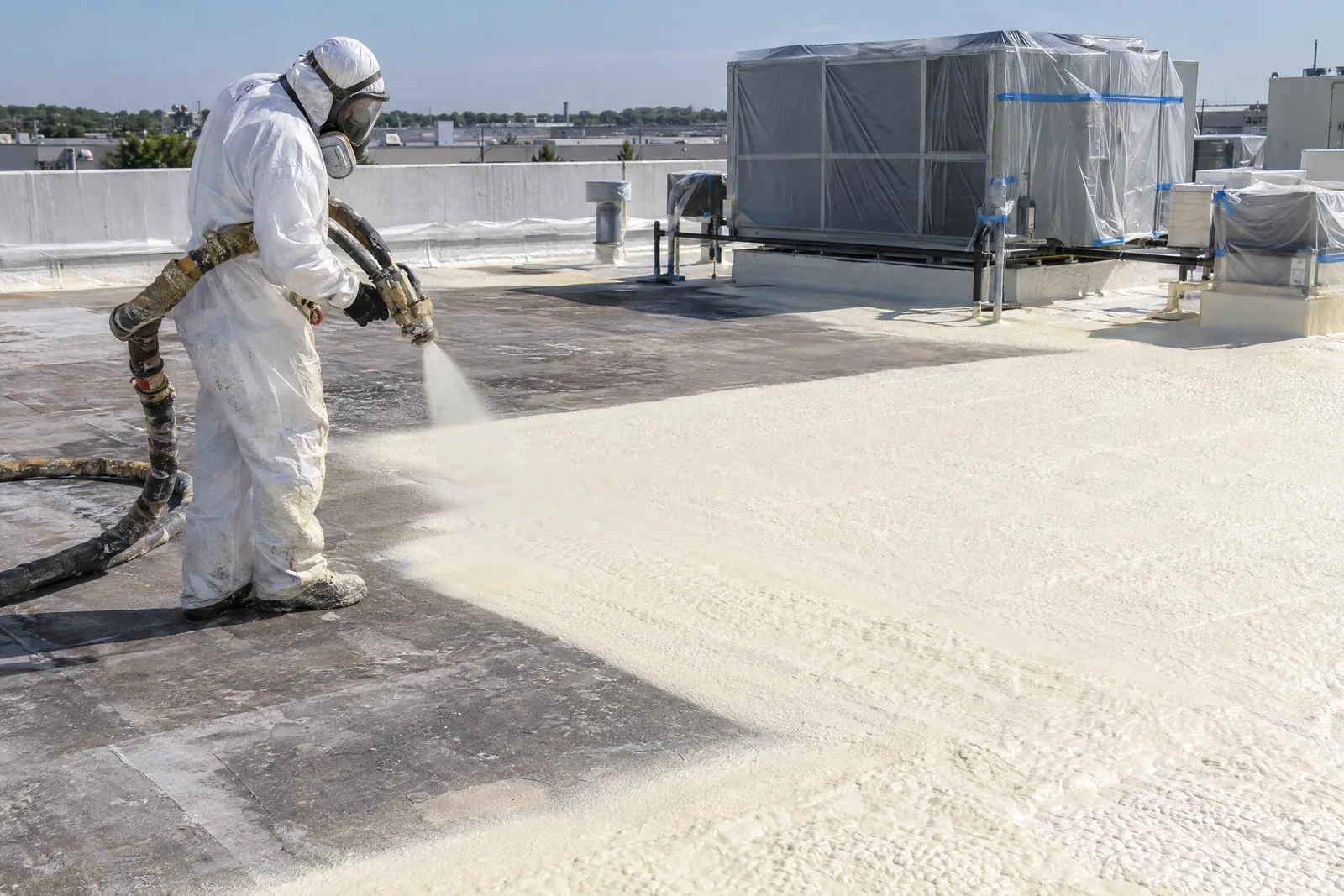
Spray foam may be considered where the substrate is dry and secure and the property can support overspray and equipment controls. See the SPF service details.
Explore spray foam roofingThe coating sequence protects older roofing by making condition, cleaning, repair, and compatibility decisions before broad application begins.
We examine the roof surface, seams, fasteners, flashing, drains, curbs, penetrations, prior repairs, and areas associated with leaks. We also look for signs that moisture may exist below the visible surface.
Loose materials, rust, damaged details, soft areas, contamination, and failing patches are separated from coating-ready roof areas. Required repairs are identified before cleaning or application hides the evidence.
The cleaning method is matched to the existing roof and the coating requirements. Pressure washing is used cautiously where appropriate, with attention to seams, flashing, rooftop equipment, and runoff around the building.
The substrate must dry before coating. Where the system calls for primer, the product must match the substrate and coating. Test patches or adhesion checks confirm that preparation and compatibility are adequate.
Seams, drains, curbs, scuppers, and penetrations receive the selected treatment before the field coating is applied. Coverage and access are managed around equipment and active building operations.
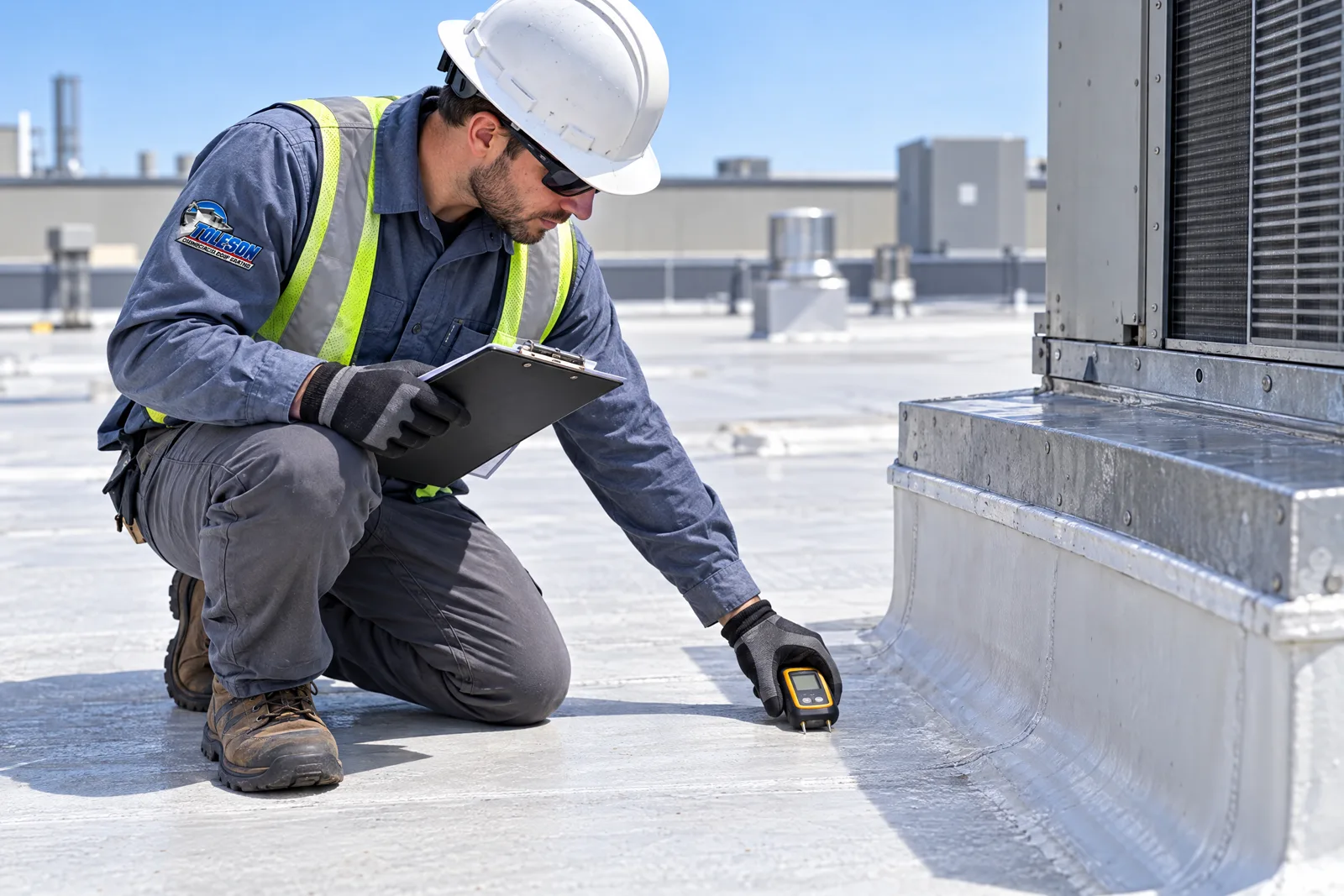
Commercial properties near Laveen can use the same inspection-led approach while the roof, access, and operating conditions set the actual preparation sequence.
Commercial roof coating for Avondale buildings where tenant schedules and roof condition must be considered together.
View Avondale roof coatingCoating guidance for Goodyear properties with active operations, roof access needs, and multiple trades to coordinate.
View Goodyear roof coatingMaryvale commercial roof coating focused on older patch layers, compatibility, and repair decisions before recoat work.
View Maryvale roof coatingSee the approved commercial roof coating areas served from the Tolleson service hub.
View Tolleson service areasAnswers for owners and facility managers deciding how an older commercial roof should be cleaned, protected, tested, and coated.
Our first step is Inspect Your Roof. We identify repairs, wet or damaged areas, surface contamination, and fragile details before choosing the cleaning method. The roof is then cleaned carefully, allowed to dry, and prepared at seams and roof connections. Where the selected system requires it, a compatible primer is applied before the main coating.
Yes, an overly aggressive method can open seams or damage aged roofing beneath the dirt. Cleaning should remove residue without weakening the roof. We match pressure, tools, and cleaning steps to the existing substrate and the coating manufacturer’s requirements, then allow the roof to dry before primer, adhesion testing, or coating work proceeds.
We identify rooftop equipment, air intakes, drains, and access routes before cleaning begins. Sensitive areas need protection from water, debris, and overspray, while the building team identifies equipment that cannot be interrupted. The cleaning and application sequence is then organized around those controls instead of treating the open roof as an isolated work zone.
Not from appearance alone. A dry surface can still sit over wet insulation, failed patches, or damaged layers. We investigate reported leaks and soft areas and may recommend further moisture testing. Coating is considered only after the roof is secure, required repairs are addressed, and the selected system passes its preparation and adhesion requirements.
The work should pause in that area while the condition is understood. Cleaning can reveal rust, open seams, failing flashing, or weak substrate that was hidden by dirt and old coating. We separate repair or replacement work from coating-ready areas rather than applying a finish over damage that the coating cannot correct.
Keep the selected coating type, preparation notes, repaired locations, and rooftop equipment changes with the building records. Those details help identify compatible repair materials and distinguish a new roof detail from an older condition. Safe interior photos, leak locations, and dates of recent roof access can also help direct the next inspection.
Tell us about the building, roof condition, access needs, and cleaning concerns so coating suitability can be checked before work is planned.
Before You Go
Share your name and phone number and we will call about your commercial roof.
Prefer to call directly? Call Us Privacy Policy