Inspection comes before coatingTenant schedules shape accessRepairs precede applicationDrain details need attention
Roof Work Before Tenant Handover
Roof work before occupancy needs a roof decision and a building schedule to move together.
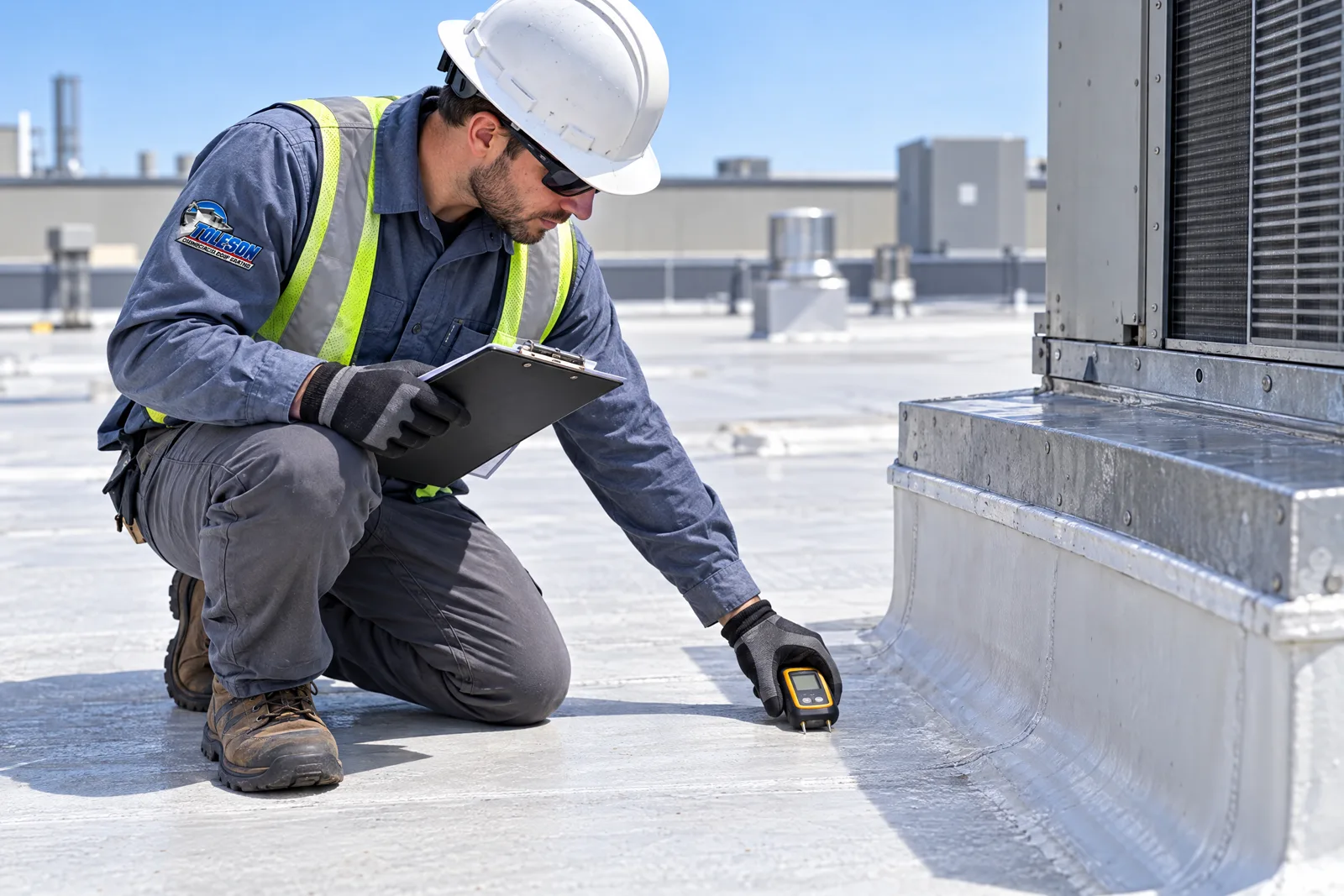
A tenant handover creates a firm business deadline, but the roof still sets the sequence. We inspect the existing roof, identify leaks, loose materials, wet areas, drains, wall flashings, and equipment access before saying what can be coated. This keeps a move-in date from becoming a substitute for roof evidence.
Avondale Development Services lists a building permit application, certificate of occupancy permit packet, and commercial submittal checklist. If roof work is part of a broader tenant project, the owner and project team should confirm how the roof scope fits that process. We coordinate the coating work around access, staging, deliveries, and other trades without promising a completion date before inspection.
Commercial Roof Conditions To Check
A roof can look ready from the ground while details underneath still control the handover schedule.
Leak Evidence And Stains
Interior stains and recurring leaks show where to investigate, not where to spray automatically. We trace the roof assembly, nearby seams, penetrations, and flashing so an isolated defect is repaired instead of hidden under a broad finish.
Loose Panels And Fasteners
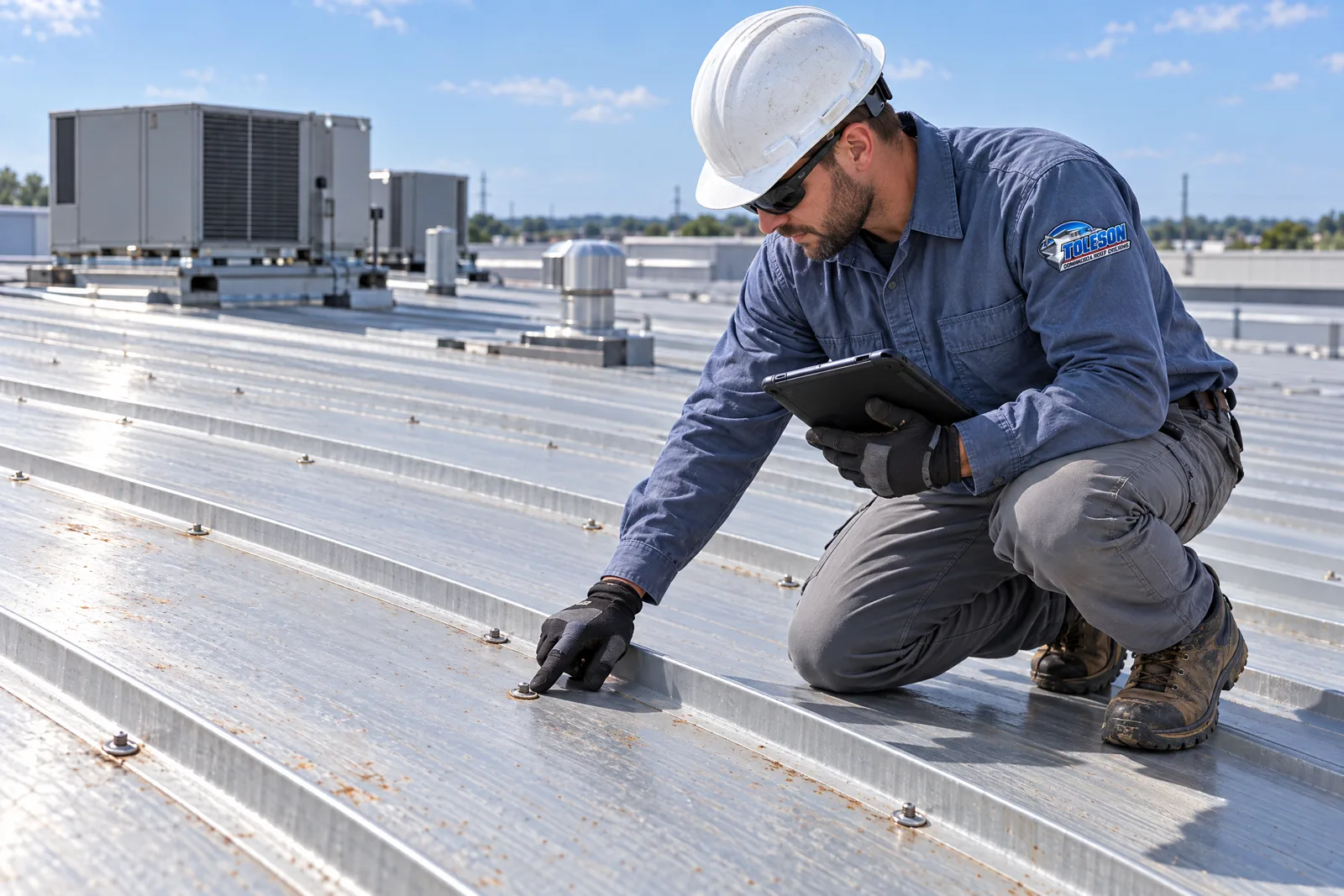
Metal panels, fasteners, and edge materials must be secure before coating. Loose or missing components need repair or replacement decisions first. Coating can protect a repairable roof, but it cannot hold an unsecured panel in place.
Old Patches And Coatings
Patch layers can change how a new coating bonds. We identify what is already on the roof, check whether repairs are sound, and use compatibility and adhesion checks before selecting a system for the handover work.
Drains, Scuppers, And Flashing
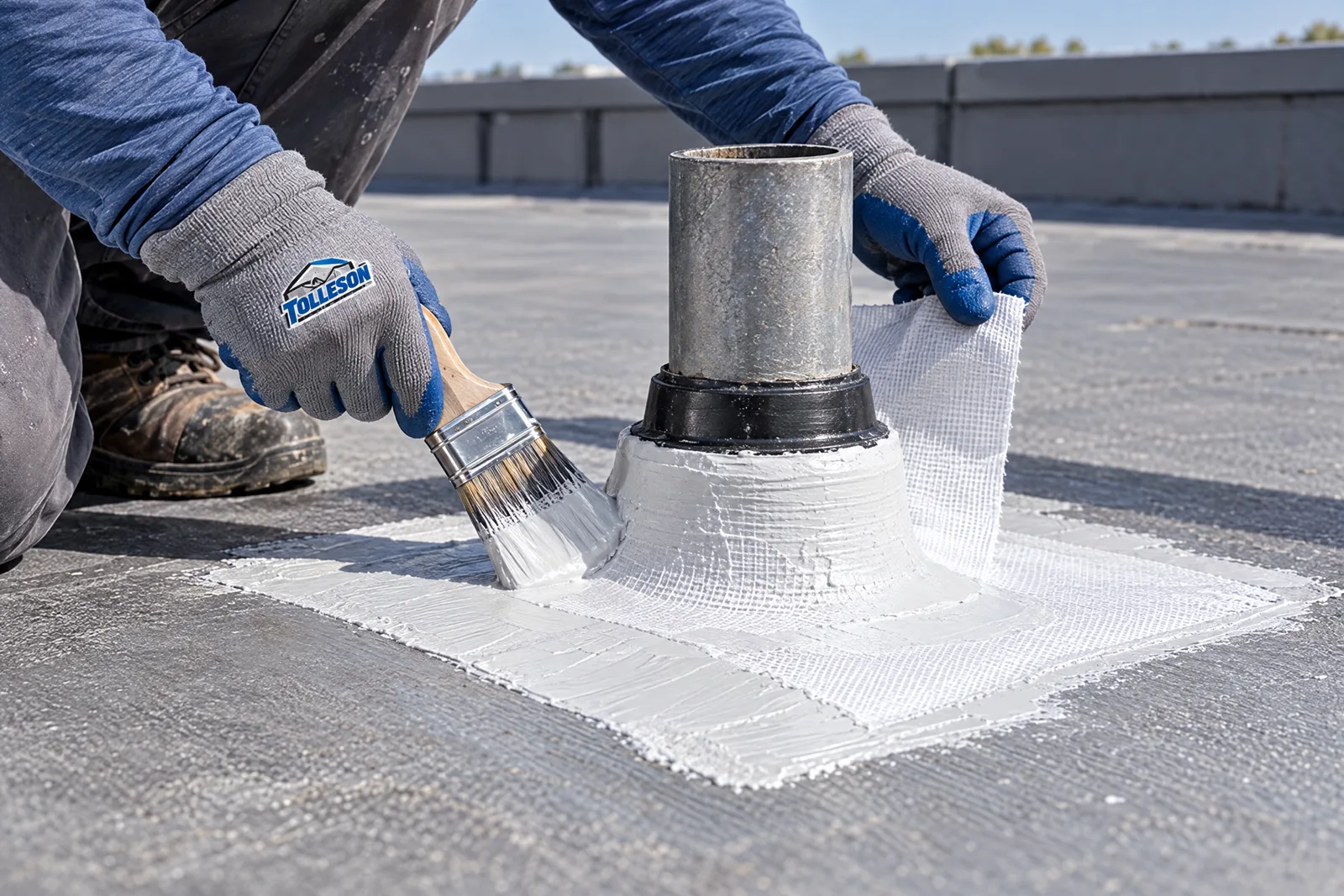
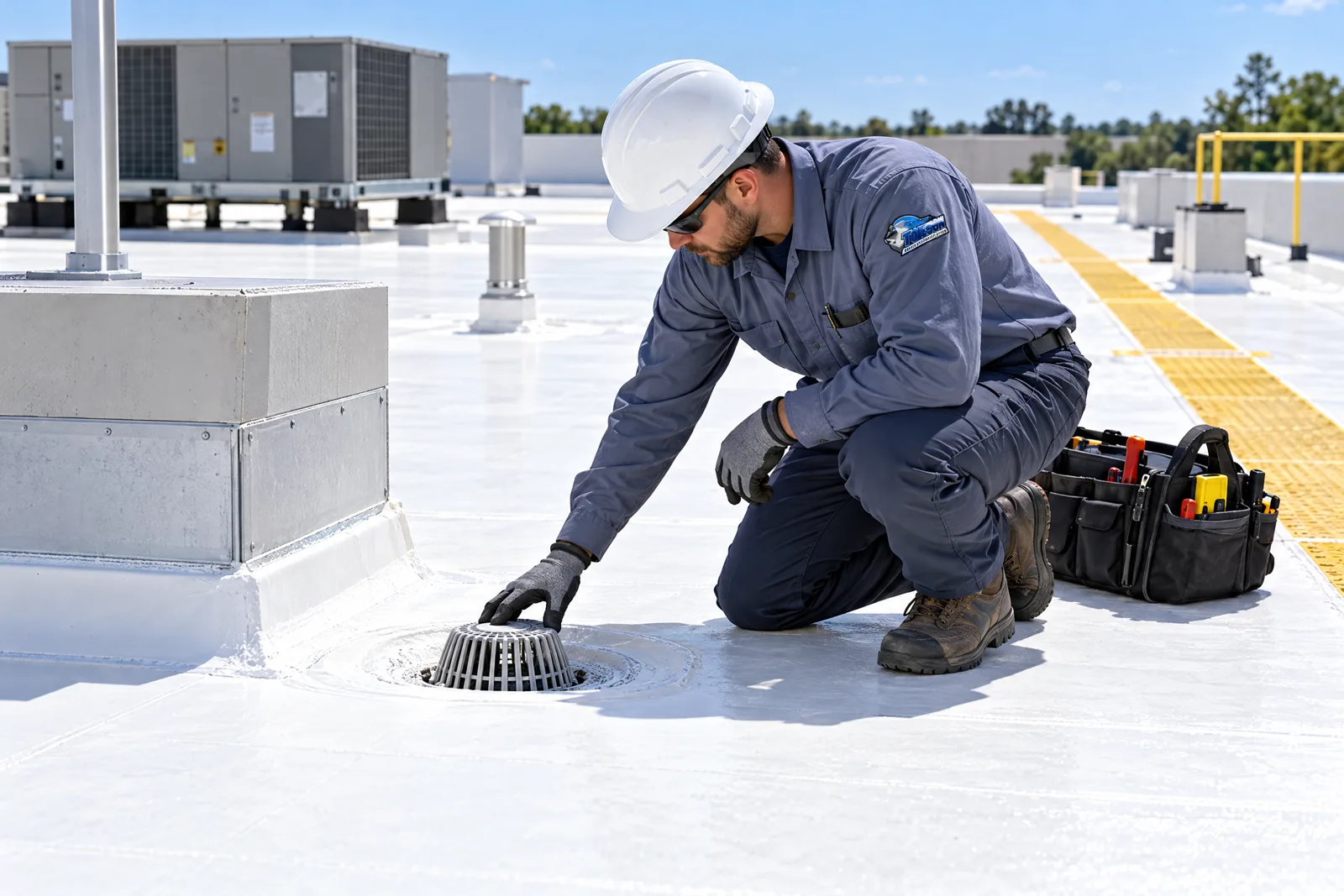
Roof drains, scuppers, wall connections, and penetrations need the same attention as the open field. Damaged details may need sealant, reinforcement, or repair before coating, especially where runoff could affect a lower roof.
Wet Insulation Or Substrate
A dry surface does not prove that the layers below are dry. Where moisture is suspected, further testing may be needed. Wet or damaged materials must be addressed before coating so they are not sealed beneath a new finish.
Equipment And Service Routes
HVAC units, vents, rooftop service paths, and other equipment can affect staging and cure protection. We mark areas that need continued access and coordinate traffic so a new tenant is not handed a roof that trades immediately damage.
Benefits of Coating Your Roof
When the existing roof is suitable, coating can support a controlled handover without treating restoration as a shortcut around repairs.
Keep Usable Roofing In Place
A suitable restoration can leave sound roofing in place instead of removing the entire assembly. That may reduce demolition around the property and keep the roof decision focused on repairable areas before the tenant takes possession.
Plan Around The Handover
A defined inspection and preparation sequence gives the owner clearer checkpoints before occupancy. Repairs, cleaning, primer needs, cure protection, and final access can be discussed with the tenant team instead of discovered during move-in.
Reduce Unplanned Roof Traffic
Coating can create a clear maintenance starting point when the surface is prepared correctly. Equipment routes, drains, and vulnerable details remain visible for the building team to monitor after other tenant work ends.
Preserve Future Choices
A compatible coating may be renewed later rather than removed immediately. Future recoating still depends on roof condition, repairs, surface preparation, and compatibility, but the owner retains another option when the assembly remains serviceable.
Commercial Roof Coating Options for Avondale
The existing roof, drainage, repairs, and prior coating determine which commercial system belongs in the handover scope.
Metal Roof Coating
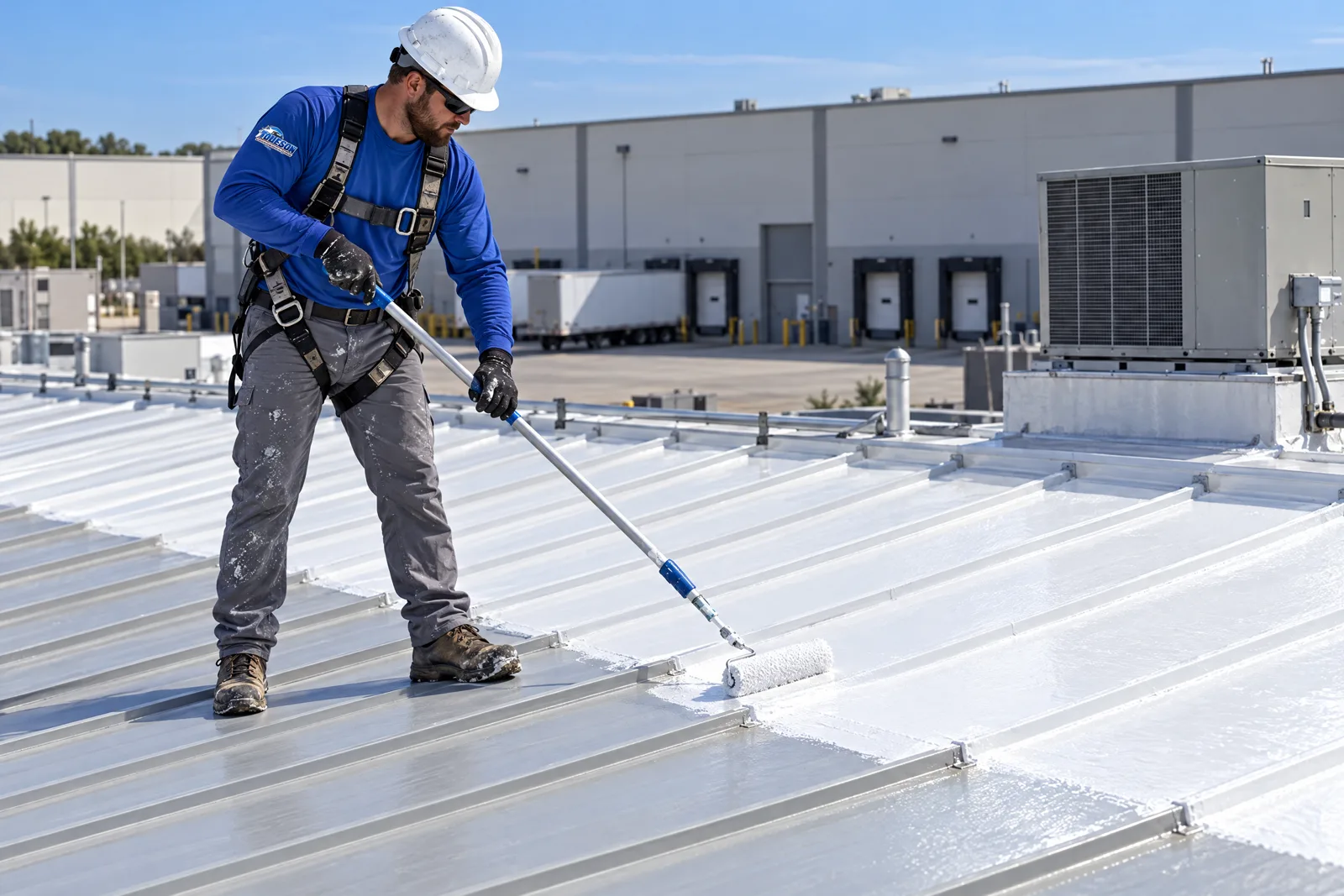
Metal coating fits repairable panels after corrosion, fasteners, seams, and penetrations are addressed. It can give a tenant-ready roof scope a defined preparation sequence.
Silicone may suit a compatible low-slope roof where moisture and ponding have been investigated. Existing silicone or other coatings require careful material and adhesion checks before recoating.
Acrylic can be considered where the roof drains reliably and the surface is compatible, clean, and dry. Application conditions and coverage matter when work must support an occupancy date.
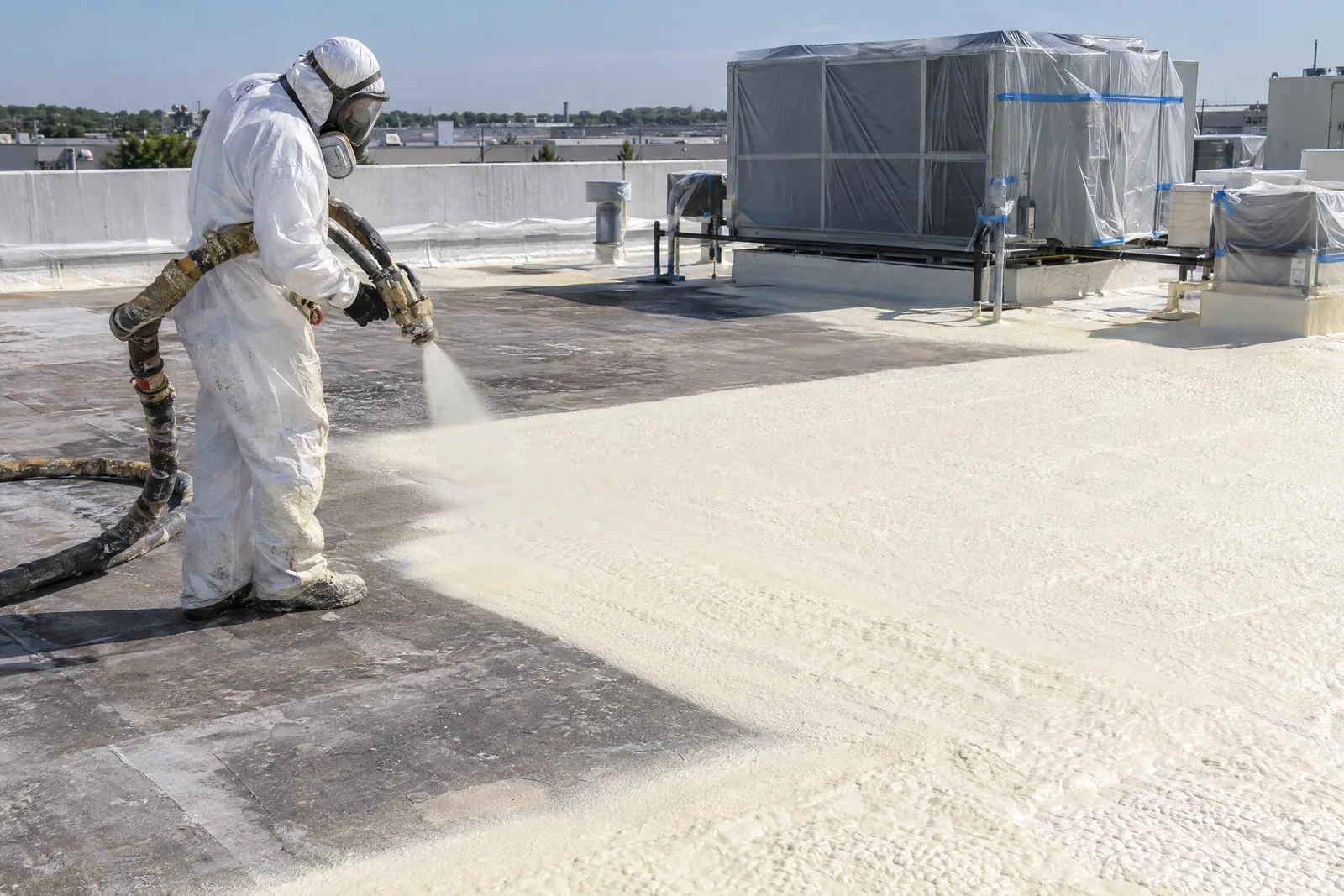
Spray foam work requires a dry, secure substrate plus controls for overspray, air intakes, and nearby operations. The existing foam and topcoat condition determine whether recovery or removal is appropriate.
The work sequence protects the roof decision first, then fits preparation and application around the building’s occupancy needs.
01
Inspect Your Roof
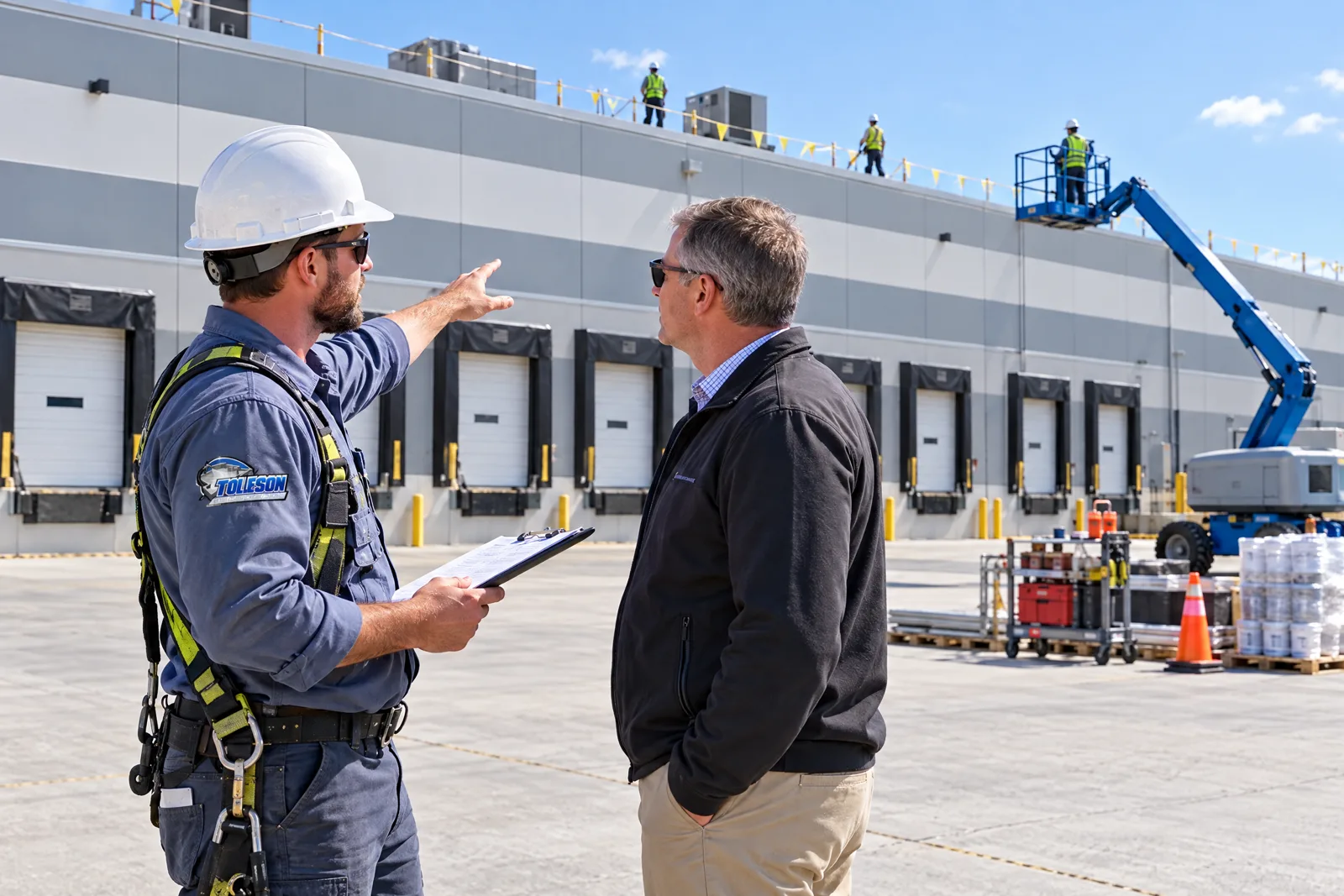
We inspect the roof surface, seams, penetrations, drains, flashing, equipment areas, prior repairs, and interior leak evidence. The visit establishes which areas may be coated and which conditions need more testing or repair first.
02
Separate Repair Areas
Loose materials, failed details, corrosion, ponding concerns, and wet layers are separated from coating-ready areas. This keeps the handover scope honest and prevents a finish from being used to conceal a roof problem.
03
Prepare And Test
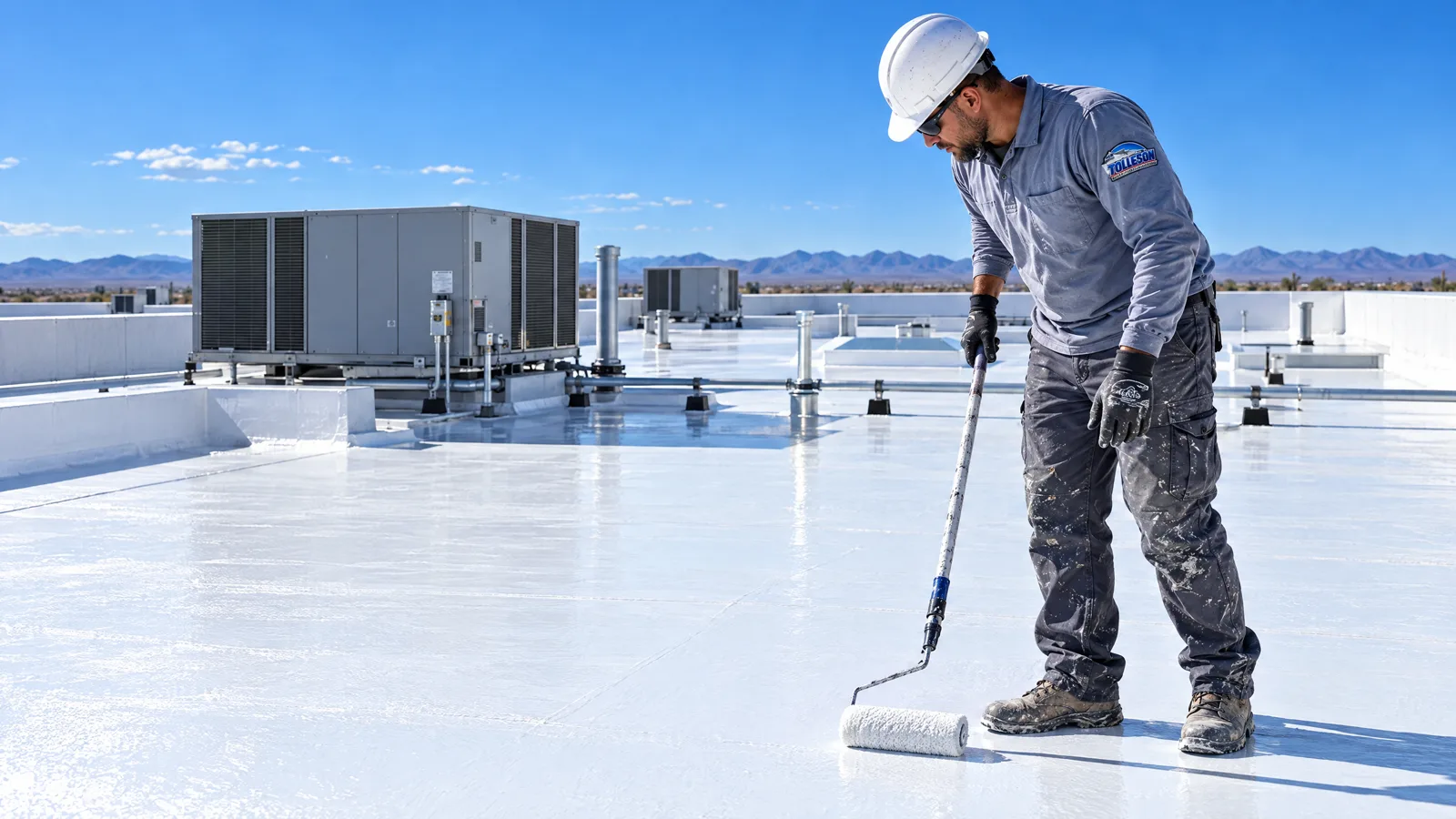
The surface is cleaned and dried, required repairs are allowed to cure, and seams or connections receive the specified treatment. Primer and adhesion testing are selected for the substrate and coating system rather than assumed.
04
Coordinate Building Access
We discuss loading docks, delivery routes, roof access, HVAC service, air intakes, staging, tenant activity, and other trades. Fresh coating needs protection from traffic while the property team keeps essential work moving.
05
Apply And Check Coverage
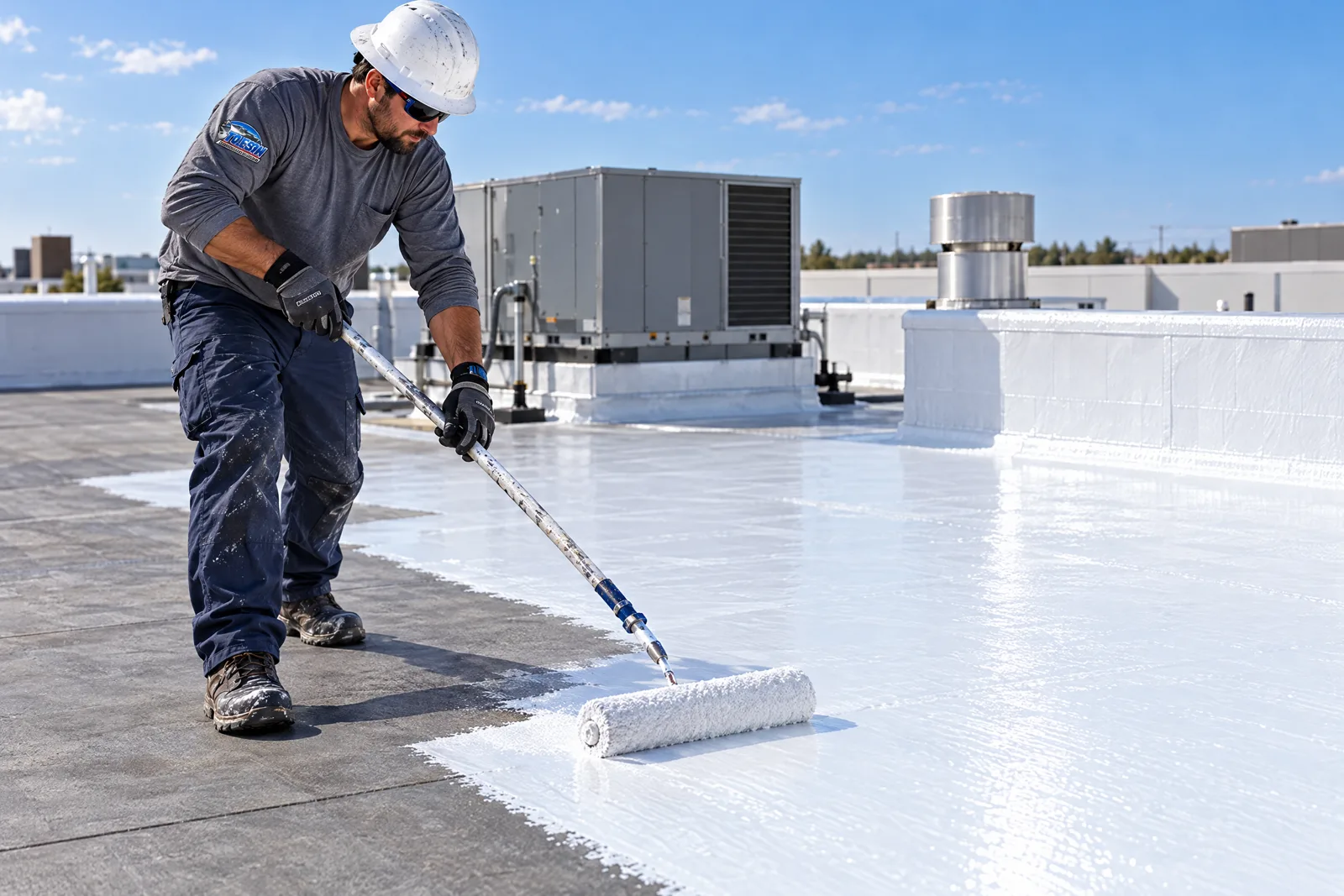
The selected coating is applied under suitable product and roof conditions. We check details and coverage during the work, then identify maintenance routes and any areas that should remain restricted for the building team.
Nearby Commercial Roof Coating Areas
Tenant handovers across the West Valley bring similar access and roof-condition decisions, with the property location shaping the work plan.
Goodyear Roof Coating
Coordinate commercial roof work with active building access and tenant schedules in Goodyear.
These answers focus on roof condition, tenant handover, access, and the decisions that affect coating work before occupancy.
Roof Condition And Cost
Can We Plan Roof Coating Before a New Tenant Moves In?
Yes, roof coating can be discussed alongside a new tenant handover schedule. Share the move-in date, planned building work, and areas that must stay accessible. We still inspect the roof before confirming what can be repaired, prepared, and coated within that window.
Will Our Loading Docks Need to Close?
That depends on the roof work area and how crews and materials reach the roof. We discuss truck routes, loading times, staging, and tenant deliveries with the facility manager before scheduling. Any temporary restriction should be agreed on before handover so drivers and the incoming tenant know what to expect.
Coating Choice And Details
What Should Be Checked Before Coating A Roof Ahead Of Occupancy?
Start with seams, penetrations, wall flashings, drains, prior repairs, loose materials, interior leak evidence, and rooftop equipment routes. A surface that looks dry may still have wet insulation below it. Those conditions determine whether the roof can be coated, needs repairs, or requires further testing before the occupancy schedule is used.
Can A Commercial Roof With Old Repairs Be Coated Before Handover?
Sometimes, if the existing repairs are sound and compatible with the selected coating. We identify the materials already on the roof, clean and prepare the surface, and use adhesion or compatibility checks where needed. Failed patches, loose areas, or widespread damage must be addressed before a new coating is applied.
Work And Maintenance
How Should Rooftop Equipment Affect A Tenant Move-In Schedule?
Rooftop equipment affects access, staging, air-intake protection, service routes, and cure protection. Tell us which units need regular technician access and which indoor operations cannot be interrupted. We use that information to sequence the work and keep fresh coating from being exposed to avoidable traffic.
What If Wet Insulation Is Found Before Coating?
Wet insulation should be identified and addressed before coating rather than sealed beneath a new finish. Further testing may be needed to locate affected areas and separate repair or removal work from coating-ready sections. The occupancy plan should allow for that roof finding instead of assuming every visible area can receive coating.
Get Your Avondale Roof Ready For Occupancy
Tell us about the handover date, building access, and roof condition so coating can be considered on the evidence.